







Ein großes wissenschaftliches Forschungsinstitut
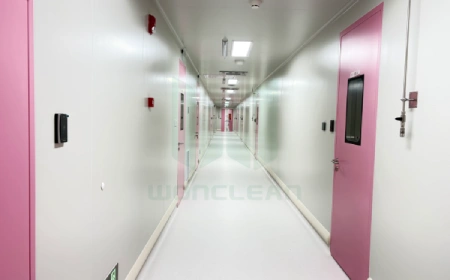
Cleanroom Equipment Engineering für Multi-User, Multidisziplinäre Forschungsumgebungen
1. Projektüberblick
Ein großes wissenschaftliches Forschungsinstitut— umfassend mehrere Abteilungen wie Molekularbiologie, Nanotechnologie, fortschrittliche Materialien und pharmazeutische Wissenschaften; hat eine große Infrastrukturmodernisierung initiiert, um seine Forschungsfähigkeiten für hohe Eindämmung und hohe Sensitivität zu zentralisieren. Das Institut benötigte eine flexible, skalierbare Reinraum-Anlage, die verschiedene Forschungsaktivitäten von Zellkultur und virale Vektorproduktion zu nanofabrication and analytical chemistry.
Unlike a single‑owner pharmaceutical company, the institute hosts dozens of independent research groups, each with varying cleanliness, safety, and equipment requirements. The primary challenge was to design a shared cleanroom equipment ecosystem die mehreren Anwendern ohne Querstörungen dienen könnten und gleichzeitig die Einhaltung der institutionellen Biosicherheitsstufen (BSL-2 und BSL-3) und der Normen ISO 14644 beibehalten.
2. Kundenanforderungen
-
Multi‑User Flexibility: Cleanroom zones that can be reconfigured for different research protocols (e.g., sterile cell work one week, nanoparticle synthesis the next).
-
Segregated Containment: Isolated modules for BSL‑2, BSL‑3, and low‑humidity nanofabrication processes, each with dedicated HVAC and airlock systems.
-
High Reliability & Uptime: 24/7/365 operation with redundant cleanroom equipment to avoid research downtime.
-
Energy Efficiency: Given the large footprint (3,500 m²), the institute demanded low‑energy cleanroom HVAC and filtration solutions.
-
Ausbildung & Zugänglichkeit: Equipment interfaces designed for easy operation by rotating students, postdocs, and visiting scientists.
3. Cleanroom Equipment Engineering Solution
Our engineering team delivered a centralized cleanroom equipment package tailored to a multi‑tenant research environment:
A. Zonierte HVAC und Filtration
-
Spezielle AHU pro Cleanroom-Klasse: Separate Luftbehandlungseinheiten für ISO Class 5, Klasse 6, und Klasse 7 Zonen.
-
HEPA/ULPA filter banks: Ceiling‑mounted filter modules with adjustable airflow for research‑grade unidirectional or non‑unidirectional patterns.
-
Niedergeschwindigkeitsverschiebungslüftung in Zonen mit geringer Turbulenz (z.B. zur Vorbereitung der Elektronenmikroskopie).
B. Modular Cleanroom Architecture
-
Abnehmbare Festwandpaneele: Erlauben Sie die Neukonfiguration von Laborlayouts ohne strukturelle Änderungen.
-
Color‑coded modular walls: Visual differentiation of cleanliness levels (e.g., white = ISO 7, blue = ISO 6, yellow = BSL‑3).
-
Interlocked pass‑through autoclaves and chemical dunk tanks: For safe material transfer between containment levels.
C. Shared Containment and Process Equipment
-
Mehrere Klasse Typ II A2 Biosicherheitsschränke (BSCs): Jeder ist mit individueller Überwachung ausgestattet, aber an ein gemeinsames Abgasplenum angeschlossen.
-
Portable glovebox isolators: For oxygen/moisture‑sensitive materials research.
-
Centralized vacuum and gas systems: Ultra‑high purity nitrogen, argon, and clean dry air distributed via stainless steel manifolds.
D. Central Monitoring & Access Control
-
Zimmer-für-Zimmer-EMS/BMS: Druck, Partikelzahl, Temperatur, RH und Türversperrungsstatus in Echtzeit.
-
RFID‑based access system: Restricts users to authorized cleanroom classes and records usage for billing/accountability.
-
Visuelle Alarmleuchten bei jedem Eintrag für eine schnelle Druckkaskadenausfallmeldung.
4. Key Engineering Challenges & Solutions
| Challenge | Solution |
|---|---|
| Preventing cross‑contamination between BSL‑2 and BSL‑3 zones | Physical separation + cascading negative pressure (−25 Pa to −50 Pa) + dedicated BIBO filter housings |
| Supporting high‑heat equipment (furnaces, reactors) inside cleanrooms | Lokale Abgasanschlüsse + Wassergekühlte Gerätegehäuse + Zusatzkühlbalken |
| User‑induced contamination (multiple researchers per day) | Mandatory gowning rooms with air showers + sticky mats at each entrance + routine ATP surface testing |
| Vibration from nearby foot traffic affecting sensitive tools | Isolated concrete inertia blocks for AFM, TEM, and microbalances |
5. Validation & Compliance
All cleanroom equipment was qualified to ISO 14644‑1:2015 and institutional biosafety requirements:
-
DQ: Simulierte Szenarien für mehrere Benutzer (z.B. gleichzeitige Zellkultur und Nanopartikelsynthese).
-
IQ: Verified utility connections, filter certifications, and equipment mounting.
-
OQ: Tested air change rates (20–60 ACH depending on class), pressure cascades, and recovery time (<15 min to ISO Class 5).
-
PQ: Three months of dynamic monitoring with actual research protocols, including microbial air sampling.
Outcome: The institute achieved full operational certification with zero cross‑contamination events during the validation period.
6. Project Outcome
-
Reinraum Bereich: 3,500 m² (ISO 5: 400 m² , ISO 6: 1,200 m² , ISO 7: 1,900 m²)
-
Benutzerkapazität: Bis zu 150 Forscher pro Tag in 28 unabhängigen Labormodulen
-
Energy Savings: 32% reduction in HVAC energy via variable‑speed fans and demand‑controlled ventilation
-
Utilization Rate: > 85% innerhalb von sechs Monaten nach Eröffnung, mit Platz für 12 Forschungsgruppen aus 4 Fakultäten
Das Forschungsinstitut betreibt nun eine wirklich gemeinsame, leistungsstarke Cleanroom-Kernanlageinterdisziplinäre Projekte ermöglichen, die bisher aufgrund von Kontamination oder Eindämmungskonflikten unmöglich waren.
7. Schlussfolgerung
Für große wissenschaftliche Forschungsinstitute muss die Reinraum-Ausrüstungstechnik Priorität haben.Flexibilität, Segregation und benutzerzentrisches Design viel mehr als in einer speziellen pharmazeutischen Anlage. Dieses Projekt zeigt, dass mit zonierter HVAC, modularer Festwandarchitektur und zentraler Überwachung ein einziger Reinraum-Komplex Hunderte von Forschern in BSL-2, BSL-3 und Nanofabrikationsdisziplinen sicher bedienen kann. Beibehalten der ISO Class 5 Integrität und Energieeffizienz.