







Nachhaltige Cleanroom-Design-Trends reduzieren den Energieverbrauch um 40%
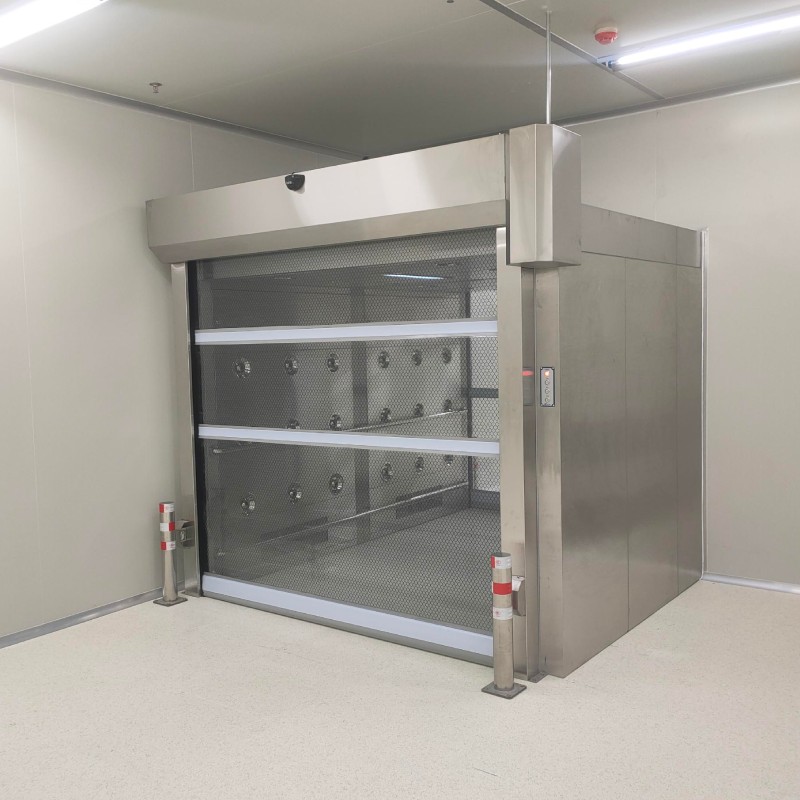
Entdecken Sie die neuesten nachhaltigen Designtrends im Reinraumbau. Energieeffiziente HVAC und Materialien helfen, den CO2-Fußabdruck zu reduzieren und gleichzeitig die Standards einzuhalten.
Sustainable Cleanroom Design Trends Reduce Energy Consumption by 40%
Sustainability has become a core priority in cleanroom design as of 2026. Historically, cleanrooms were known for excessive energy consumption due to high air change rates and stringent climate control. However, new design methodologies and technologies are reversing this trend. Recent case studies show that modern sustainable cleanrooms can reduce energy consumption by up to 40% without compromising ISO classification or product safety.
Optimized HVAC Systems
Heizung, Lüftung und Klimaanlagen (HVAC) machen den Großteil des Energieverbrauchs in Reinräumen aus. Variable Air Volume (VAV) Systeme sind jetzt Standard, die den Luftstrom basierend auf Echtzeit-Belegung und Produktionsstatus anpassen. Wenn ein Raum unbesetzt ist, können die Luftwechselraten sicher auf Standby-Ebenen reduziert werden. Darüber hinaus erfassen die Energierückgewinnungsräder Wärme aus der Abluft in die eingehende Frischluft, wodurch die Heiz- und Kühlbelastungen erheblich gesenkt werden.
Fortgeschrittene Filtrationsmaterialien
New filter media developed in 2025 offer lower resistance while maintaining high efficiency. By reducing the pressure drop across filters, fans require less energy to move air. Nanofiber filters are gaining popularity for their ability to capture ultrafine particles with minimal airflow resistance. This innovation directly translates to lower electricity bills and a reduced carbon footprint for the facility.
Modular Cleanroom Construction
Modular cleanroom designs allow for scalable and flexible spaces. Unlike traditional stick-built cleanrooms, modular systems can be reconfigured or expanded with less waste. Materials used in modular walls and ceilings are often recyclable. This approach aligns with circular economy principles, reducing the environmental impact of construction and decommissioning phases.
Lighting and Equipment Efficiency
LED lighting with smart controls is now mandatory in green cleanroom certifications. Sensors dim lights when natural light is sufficient or when areas are unused. Furthermore, process equipment is being designed with energy efficiency in mind. Manufacturers are requesting low-heat output machinery to reduce the cooling burden on the HVAC system. This holistic approach considers all energy sources within the facility.
Regulatory and Certification Drivers
LEED and ISO 14001 certifications are increasingly requested by clients in the supply chain. Pharmaceutical companies, in particular, are under pressure to meet Scope 3 emissions targets. Building a sustainable cleanroom is no longer just a cost-saving measure but a strategic business requirement. Governments in Europe and North America are also offering tax incentives for facilities that demonstrate significant energy reductions.
Future of Green Cleanrooms
Looking ahead, the integration of renewable energy sources such as solar panels on cleanroom roofs is becoming more common. Microgrids allow facilities to operate independently during power outages while using clean energy. As technology advances, the gap between high-performance manufacturing and environmental stewardship continues to close, defining the standard for industrial construction in the late 2020s.